Source CE Certified Aluminum Fence for Villas, Schools, and Driveways
Source CE certified aluminum fence from 30 verified suppliers offering customizable sizes and powder-coated finishes. Compare protective panels for home security, privacy, and outdoor decoration with easy assembly features; compare the available evidence and request quotations based on your requirements.
Key considerations
Products List




Comprehensive Sourcing Guide
Ce Certified Aluminum Fence Sourcing Guide
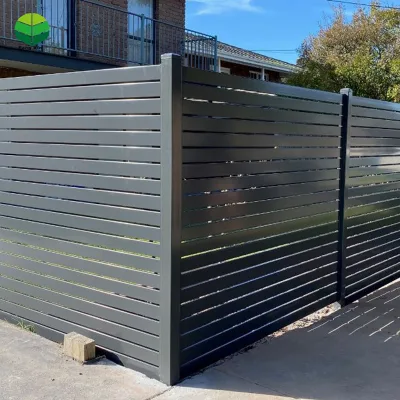
Procuring ce certified aluminum fence panels requires a disciplined approach to verifying material integrity and surface treatment durability. Buyers must prioritize suppliers who explicitly list CE certification alongside aluminum alloy construction, as this combination ensures compliance with European safety and quality benchmarks for outdoor installations. The observed market signals indicate a strong emphasis on contemporary design styles, with products frequently featuring powder-coated finishes that enhance corrosion resistance. This aesthetic and functional pairing is critical for maintaining visual appeal in high-traffic commercial environments such as department stores or public schools, where both security and appearance are paramount.
Beyond basic certification, the sourcing strategy should focus on the specific functional attributes of the fence panels, such as their role in privacy screening and home security. The available data highlights features like easy assembly and eco-friendly materials, which streamline installation and reduce long-term maintenance costs for property managers. Buyers should evaluate whether the aluminum alloy construction meets the required strength standards for applications ranging from driveway gates to villa perimeters. Understanding these core product scopes helps in filtering out low-quality listings and focusing on suppliers who offer robust, customizable solutions that align with specific project requirements and regulatory expectations.
Product Scope and Observed Listing Signals
The current market landscape for aluminum fencing reveals a diverse range of product configurations tailored to various security and decorative needs. Listings frequently highlight square-shaped panels with customizable sizes, allowing buyers to adapt the fencing to unique architectural layouts or specific security zones. The observed price range of eight to ninety-nine USD suggests a broad spectrum of quality tiers, from basic protective barriers to high-end decorative enclosures. Buyers should carefully examine the listed dimensions, such as the common seven-foot height, to ensure compatibility with local building codes and site-specific security requirements. This variability in product scope necessitates a thorough review of each listing’s technical details to avoid mismatches in installation or performance expectations.
Supplier offerings also emphasize versatile application scenarios, including outdoor fences, courtyards, and construction sites, indicating the adaptability of these aluminum panels. The presence of features like waterproofing and rot-proof characteristics underscores the material’s suitability for harsh environmental conditions, making it a reliable choice for long-term outdoor use. Additionally, the availability of 3D modeling and video installation services provides valuable support for complex projects, enabling buyers to visualize the final outcome and plan installation logistics more effectively. These service-oriented attributes are crucial for reducing on-site errors and ensuring that the fencing system integrates seamlessly with existing structures, thereby enhancing overall project efficiency and safety.
Technical Specifications to Verify
Verifying the technical specifications of aluminum fence panels is essential to ensure they meet the required performance standards for your specific application. Buyers should confirm the exact alloy composition and thickness of the aluminum, as these factors directly influence the panel’s strength and durability. The observed listings often mention powder-coated finishes, which provide an additional layer of protection against corrosion and weathering. It is crucial to verify the quality of this coating, including its adhesion and resistance to chipping, to ensure long-term aesthetic and functional integrity. Additionally, checking the surface treatment options, such as brushed or embossed finishes, can help align the product’s appearance with the desired design style of the project.
Dimensional accuracy and structural integrity are other critical technical aspects that require careful verification. Buyers should ensure that the panels conform to the specified dimensions, such as the standard seven-foot height or customized sizes, to guarantee proper fit and alignment during installation. The single package size and gross weight information provided in listings can also aid in planning logistics and handling requirements on-site. Furthermore, verifying the ease of assembly features, such as pre-drilled holes or interlocking mechanisms, can significantly reduce installation time and labor costs. By meticulously reviewing these technical specifications, buyers can select aluminum fence panels that offer both reliability and ease of use in their intended applications.
Compliance and Safety Documentation
Ensuring that aluminum fence panels comply with relevant safety and quality standards is a critical step in the procurement process. The presence of CE certification indicates that the products meet European health, safety, and environmental protection standards, which is particularly important for buyers operating in or exporting to European markets. Buyers should request and verify the official CE documentation to confirm that the certification is valid and covers the specific product models being purchased. This documentation often includes test reports and conformity assessments that provide evidence of the product’s compliance with essential requirements, thereby reducing legal and liability risks associated with the installation and use of the fencing.
In addition to CE certification, buyers should inquire about other relevant standards and certifications that may apply to their specific use case, such as EN 1090 for structural aluminum components or ISO standards for quality management. While some listings may mention these standards, it is crucial to verify their applicability and validity through official channels. Buyers should also check for any additional safety features, such as anti-climb designs or crowd control capabilities, which may be required for specific applications like schools or public venues. By thoroughly reviewing and validating all compliance and safety documentation, buyers can ensure that their aluminum fence installations meet all regulatory requirements and provide a secure environment for end-users.
Cost Drivers and Commercial Terms
Understanding the cost drivers and commercial terms associated with aluminum fence panels is essential for effective budgeting and negotiation. The observed price range of eight to ninety-nine USD reflects variations in material quality, design complexity, and surface treatment options. Buyers should consider how factors such as customization, powder coating quality, and alloy composition influence the final price. Additionally, the minimum order quantity (MOQ) of one set or five square meters offers flexibility for small-scale projects, while larger orders may benefit from volume discounts. It is important to clarify whether the listed prices include shipping, taxes, and other fees to avoid unexpected costs during the procurement process.
Commercial terms also play a significant role in the overall cost and project timeline. Buyers should negotiate clear terms regarding payment methods, delivery schedules, and warranty coverage to mitigate financial and operational risks. The availability of services such as 3D modeling and video installation support can add value to the purchase, potentially reducing installation errors and associated costs. Additionally, understanding the supplier’s return and replacement policies is crucial in case of defects or non-conformance with specifications. By carefully evaluating these cost drivers and commercial terms, buyers can make informed decisions that balance cost-effectiveness with quality and reliability, ensuring a successful procurement outcome.
Supplier Qualification and Quality Control
Selecting a qualified supplier is paramount to ensuring the quality and reliability of aluminum fence panels. Buyers should prioritize suppliers with a proven track record in manufacturing and exporting aluminum fencing products, as indicated by their certifications and customer reviews. The presence of CE certification and other relevant standards is a strong indicator of a supplier’s commitment to quality and compliance. Additionally, buyers should verify the supplier’s production capabilities, including their ability to offer customized sizes and designs, to ensure that the products meet specific project requirements. Conducting due diligence on the supplier’s quality control processes, such as material testing and finish inspections, can further mitigate the risk of receiving substandard products.
Effective quality control measures should be established throughout the procurement process to ensure that the delivered aluminum fence panels meet the agreed-upon specifications. Buyers should request samples or pre-production samples to evaluate the material quality, finish, and assembly ease before committing to a large order. Clear communication with the supplier regarding quality expectations and inspection criteria is essential to avoid misunderstandings and ensure that the final products meet the desired standards. Additionally, buyers should consider implementing post-delivery inspections to verify that the products are free from defects and conform to the agreed-upon specifications. By prioritizing supplier qualification and rigorous quality control, buyers can secure high-quality aluminum fence panels that enhance the security and aesthetics of their projects.
Long-Term Procurement Checks
Establishing long-term procurement checks is vital for maintaining the quality and performance of aluminum fence panels over time. Buyers should implement regular monitoring and evaluation processes to assess the durability and functionality of the installed fencing, particularly in harsh environmental conditions. This includes periodic inspections for signs of corrosion, damage, or wear, which can indicate issues with the material quality or surface treatment. By documenting these inspections and comparing them against initial quality benchmarks, buyers can identify potential problems early and take corrective actions to prevent further deterioration. This proactive approach helps in extending the lifespan of the fencing and reducing long-term maintenance costs.
Additionally, buyers should maintain open communication with their suppliers to address any post-installation issues or performance concerns. Establishing a feedback loop can provide valuable insights into the product’s real-world performance and help in making informed decisions for future procurement cycles. Buyers should also stay updated on any changes in regulations or standards that may affect the use of aluminum fencing, ensuring continued compliance and safety. By implementing these long-term procurement checks, buyers can ensure that their aluminum fence investments continue to deliver value and security over time, while also fostering a strong and reliable relationship with their suppliers.
FAQs
What certifications do these aluminum fences have?
These aluminum fences carry CE certification, ensuring compliance with relevant safety and quality standards for international trade. The products are manufactured in China, specifically originating from regions like Guangdong and Shanghai. This certification helps buyers verify that the fencing meets established regulatory requirements for export and installation in various global markets.
Can I customize the size of the aluminum fence?
Yes, customization is available for these aluminum fences, allowing buyers to specify dimensions that fit their unique project needs. The standard model may be 7 feet high, but customized sizes are offered to accommodate different installation scenarios. This flexibility ensures the fencing integrates seamlessly into various architectural designs and security requirements.
How is the aluminum fence assembled and installed?
The aluminum fence is designed for easy assembly, making installation straightforward for contractors and homeowners. Features include powder-coated finishes and pre-fabricated panels that simplify the setup process. Buyers can also access 3D modeling, video installation guides, and instruction books to ensure proper and efficient installation without requiring specialized tools or extensive technical knowledge.
What materials and finishes are used for the fence?
The fence is constructed from high-strength aluminum alloy, providing durability and resistance to corrosion. The surface treatment includes powder coating, which enhances weather resistance and aesthetic appeal. Additional finishes may include brushed, sanded, or embossed textures. These materials ensure the fence remains waterproof and eco-friendly, suitable for long-term outdoor use in various climates.
What is the minimum order quantity for these fences?
The minimum order quantity is flexible, starting at just one set or five square meters. This low MOQ allows buyers to test the product quality or order small batches for specific projects. It supports both small-scale residential installations and larger commercial developments, providing accessibility for diverse procurement needs without requiring large initial inventory commitments.
Where are these aluminum fences manufactured?
These aluminum fences are manufactured in China, with origins reported in Guangdong and Shanghai. The production facilities are located in key industrial regions known for metal fabrication and export logistics. This location supports efficient supply chain management and competitive pricing, ensuring timely delivery and consistent quality for international buyers sourcing fencing solutions.